
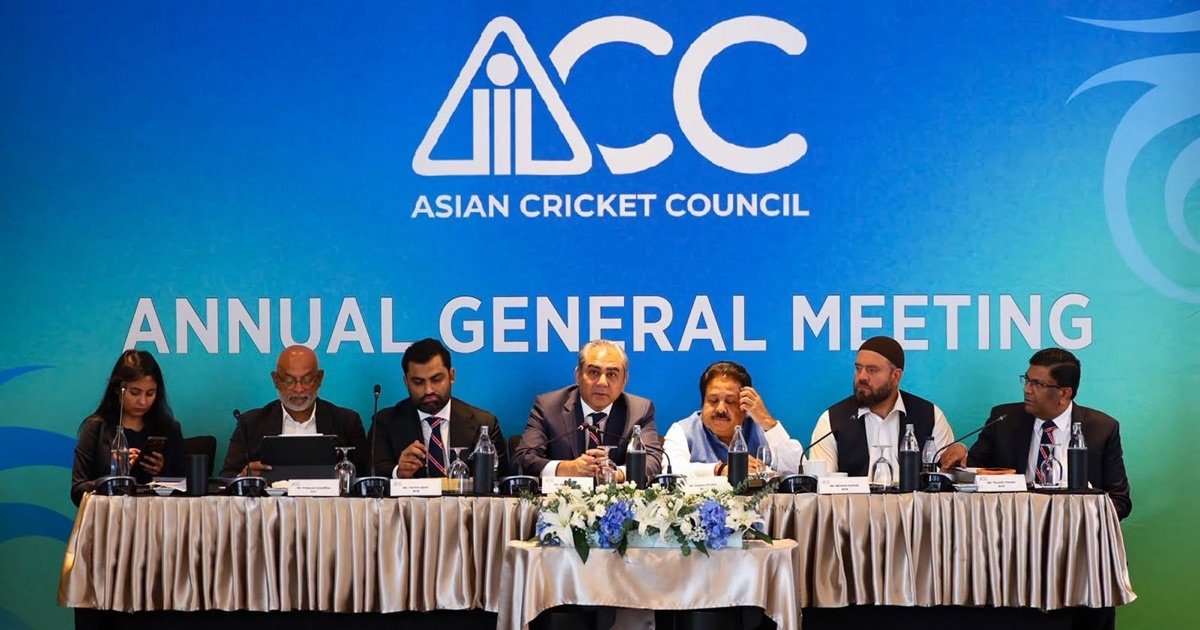
What did the ACC decide in Bangkok?
Afghanistan’s inclusion changes the eligibility framework for future ACC leadership. Before the Bangkok decision, the presidency rotated among Pakistan, Bangladesh, Sri Lanka and India. The ACC release confirms that Afghanistan has joined that roster, but it does not announce when the Afghanistan Cricket Board will take the presidency or set out a revised succession timetable. The decision should therefore be read as expanded eligibility, not as an immediate change of president.
How does Afghanistan’s position change?
The AGM also elected representatives to the ACC Executive Board for the 2026–2028 term. Sheikh Abdulaziz bin Saoud Al Thani of the Qatar Cricket Association and Mahmood Gaznavi of the Singapore Cricket Association will represent non-Test-playing Full Member countries. Mohamed Faisal of the Cricket Board of Maldives and Mohammad Mansoor of the Bahrain Cricket Federation will share the Associate Member term.
Who joined the ACC Executive Board?
Members also approved committees covering governance, administration, cricket development, competitions and finance. The ACC said the membership of those committees will be released later, so no unannounced names or responsibilities have been inferred here. The immediate confirmed outcomes are Al Zarooni’s vice-presidential appointment, the new Executive Board representation and Afghanistan’s addition to the presidency rotation.
What remains to be announced?
For followers of Asian cricket administration, the key distinction is between the post filled now and the opportunity created for the future. Al Zarooni takes the vice-president role following the AGM vote, while Afghanistan gains a route to hold the presidency under the expanded rotation. StumpScope will update this report if the ACC publishes the next presidency timetable or the membership of its new committees.